
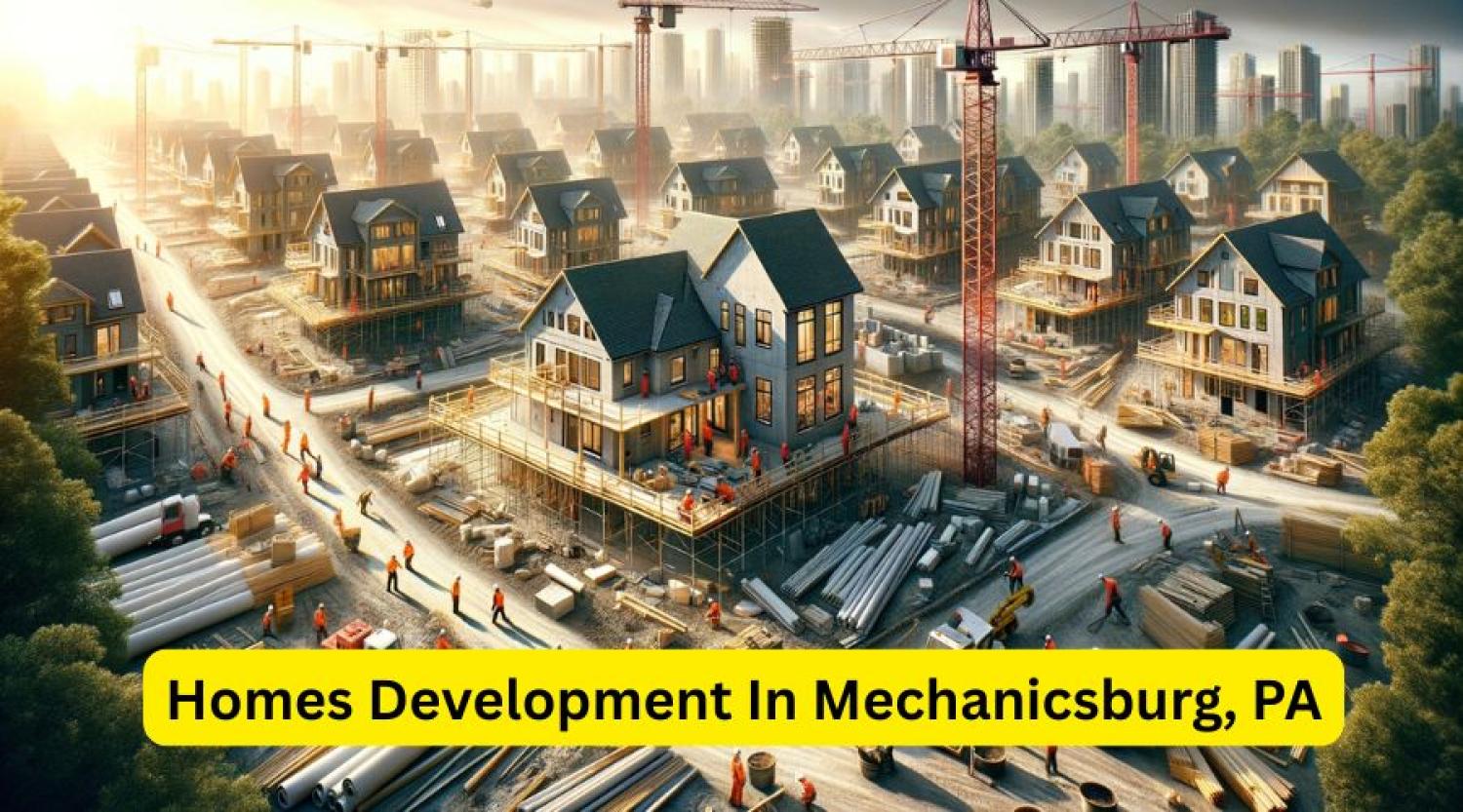
Building Dreams: Our Homes Development Project
S Broad St, Mechanicsburg, PA, US, 17055
Description
I. Introduction
A. Definition of Homes Development
Homes development refers to the process of planning, designing, constructing, and marketing residential properties. It encompasses various housing types, including single-family homes, apartments, and condominiums.
B. Importance of Homes Development in Society
Homes development plays a crucial role in society. It not only provides shelter but also fosters community, drives economic growth, and enhances living standards by creating well-planned residential areas.
II. Types of Homes Development
A. Single-Family Homes
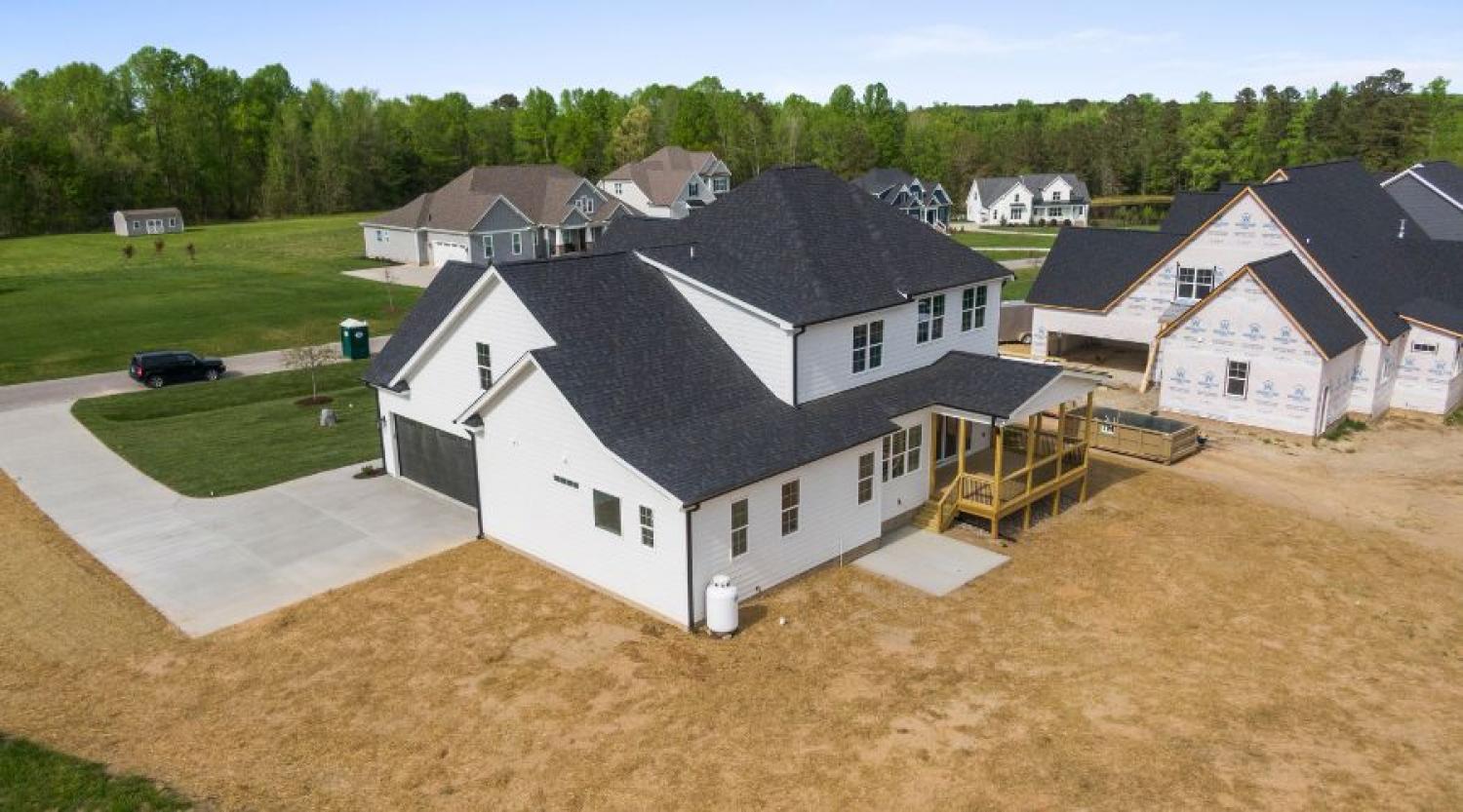
These are standalone residential structures designed for one household, often including a yard.
B. Multi-Family Units
These buildings accommodate multiple families and include apartments and duplexes.
C. Condominiums
Condominiums are individually owned units within a larger building complex with shared amenities.
D. Townhouses
A row of similar houses sharing walls, typically offering multi-story living.
E. Mixed-Use Developments
These developments combine residential, commercial, and sometimes industrial spaces in one community.
III. Key Phases of Homes Development
A. Planning
1. Site Selection
The process begins with choosing an appropriate site based on zoning, access, and community needs.
2. Feasibility Studies
Assessing the viability of a project in terms of market demand and financial investment.
B. Design
1. Architectural Design
This involves creating blueprints and layouts that comply with aesthetic and functional standards.
2. Sustainable Design Practices
Incorporating eco-friendly materials and energy-efficient systems into the design.
C. Financing
1. Funding Sources
Exploring various funding options, including loans, investments, and grants.
2. Budget Planning
Creating a comprehensive budget that outlines expected costs throughout the development.
D. Construction
1. Land Preparation
Clearing and prepping the site for construction, including excavation and grading.
2. Building Process
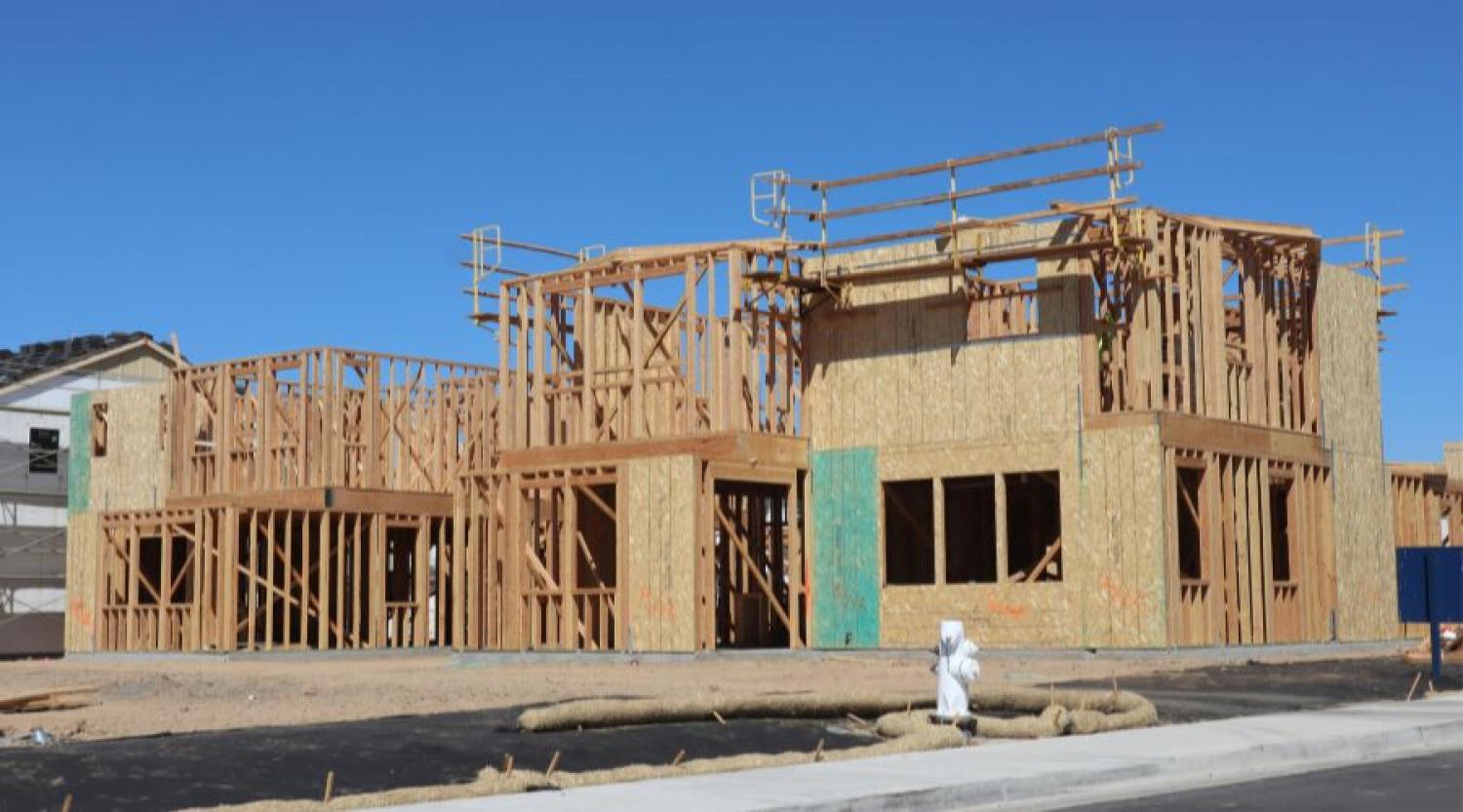
The actual construction phase where the planned structures are built according to design specifications.
E. Marketing and Sales
1. Target Market Identification
Identifying potential buyers and tailoring marketing strategies to attract them.
2. Promotion Strategies
Implementing marketing campaigns to increase visibility and drive sales.
IV. Regulatory and Legal Considerations
A. Zoning Laws
Regulations governing land use that determine what types of developments are permissible.
B. Building Codes
Standards that ensure the safety and quality of construction within buildings.
C. Environmental Regulations
Laws aimed at protecting the environment during and after construction processes.
V. Trends in Homes Development
A. Sustainable Housing
Growing demand for eco-friendly materials and energy-efficient homes.
B. Smart Home Technology
Integration of technology into homes for improved security, efficiency, and convenience.
C. Urban vs. Suburban Development
Shifts in preference between urban centers and suburban areas as living choices evolve.
VI. Challenges in Homes Development
A. Economic Factors
The economy influences buyer's purchasing power and investment rates, affecting demand.
B. Supply Chain Issues
Delays and cost fluctuations in materials can hinder development timelines.
C. Market Demand Variability
Shifts in consumer preferences can complicate project planning and execution.
VII. Conclusion
A. Summary of the Importance of Homes Development
Homes development is essential for providing housing, stimulating economic growth, and creating vibrant communities.
B. Future Outlook for Homes Development
As the industry evolves, trends toward sustainability and technology will shape future developments, ensuring they meet the needs of modern society.
FAQs
- What is homes development? Homes development is the process of planning, designing, constructing, and marketing residential properties.
- What types of homes can be developed? Homes can be developed as single-family homes, multi-family units, condominiums, townhouses, and mixed-use developments.
- What are the key phases of homes development? The key phases include planning, design, financing, construction, and marketing.
- What legal considerations should be taken into account? Developers must follow zoning laws, building codes, and environmental regulations.
- What are the current trends in homes development? Trends include sustainable housing, smart home technology, and shifts between urban and suburban living.
</article
Comments
Share this Project


Contact Us
About Us
Similar Projects
Recent Projects
-

-

How We Helped Homeowners Increase Their Property Value in Central PA
S Broad St Mechanicsburg, PA, US, 17055
-