
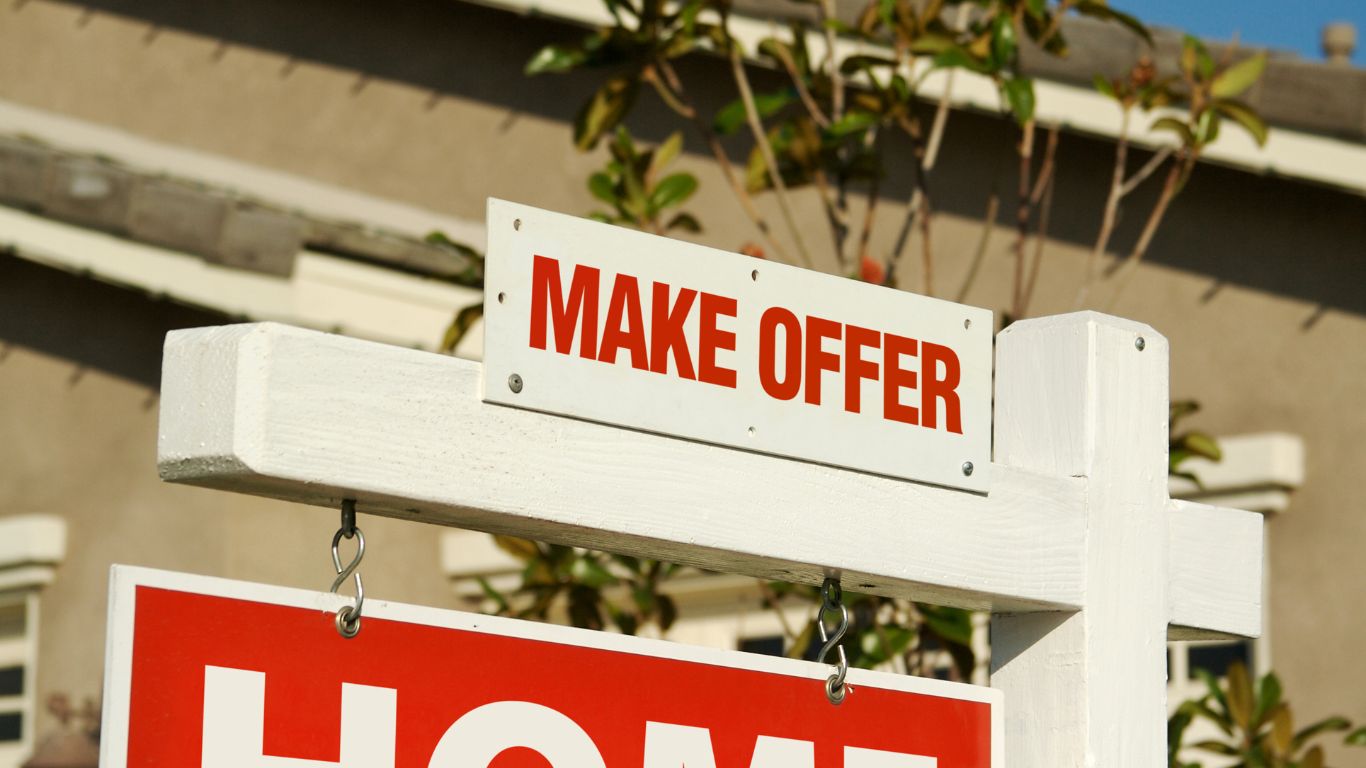
Buying a house is a big decision. One of the most important steps is deciding how much to offer. If your offer is too low, the seller may reject it. If your offer is too high, you may overpay. Asking the right questions helps you find a fair number. This guide covers key questions to ask before you make an offer on a home.
1. What Is the Home’s Market Value?
Start by looking at similar homes in the area. Compare prices of recently sold homes. Look for homes with the same size, features, and location. These are called “comps.”
Ask your real estate agent to provide a list. Review the price per square foot. Check how long each home stayed on the market. This shows how strong the demand is.
Why this matters:
This gives you a price range based on real data. It helps you avoid offering too much or too little.
2. How Long Has the Home Been on the Market?
Homes listed for a short time often get multiple offers. Sellers may expect full price or more. Homes listed for a longer time may accept less.
Check the listing date. Ask your agent if the home has had price drops or relistings. These signs suggest the seller might accept a lower offer.
Why this matters:
The longer a home sits, the more flexible the seller may become.
3. Is the Seller in a Hurry to Sell?
Ask if the seller needs to move soon. Some sellers must relocate quickly for jobs, family, or other reasons. A seller with a deadline may take a lower offer to close fast.
Your agent can ask the seller’s agent about their timeline.
Why this matters:
Motivated sellers may accept a lower price or give better terms.
4. How Competitive Is the Market?
Look at how many homes are for sale. If inventory is low, sellers have more power. If inventory is high, buyers have more options.
Ask your agent if buyers are waiving inspections or offering over the asking price. These signs show a competitive market.
Why this matters:
In a strong market, you may need to offer more. In a slow market, you may have room to offer less.
5. How Much Can You Afford?
Check your loan pre-approval. Review your budget. Think about your savings, income, and future expenses. Set a clear price limit.
Never stretch beyond your budget to win a house. This can lead to financial stress.
Why this matters:
Your budget should guide your offer, not emotions.
6. What Is the Condition of the House?
Tour the home carefully. Look for needed repairs. Ask about the age of the roof, HVAC system, and appliances.
If the home needs updates, you may adjust your offer. Older homes often come with added costs.
Why this matters:
Repairs cost money. A lower offer can reflect the work required.
7. Are There Other Offers on the Table?
Ask if other buyers have submitted offers. If so, ask how many. This helps you decide how strong your offer should be.
In multiple-offer situations, your offer should be competitive. This may include higher price, faster closing, or fewer conditions.
Why this matters:
Knowing the level of competition helps you avoid losing the deal or overbidding.
8. What Is the Price History of the Home?
Look at the home’s previous sale prices. Some websites show this data. Your agent can also check.
Compare the current asking price with past prices. If the seller bought the home recently and is asking much more, ask why.
Why this matters:
This gives clues about market trends or overpricing.
9. What Is the Cost of Living in the Area?
Check local property taxes, insurance costs, and utility bills. These affect your total monthly expenses.
Even if the home price is fair, high monthly costs may stretch your budget.
Why this matters:
Total costs can make a difference in how much you should offer.
10. What Are Similar Homes Selling for Right Now?
Recent sales carry the most weight. Homes sold within the past 30 to 90 days show real-time value.
Your agent can pull this data for you. Focus on homes nearby with similar size and features.
Why this matters:
Fresh data helps you make an offer based on current trends.
11. What Are Your Future Plans?
Think about how long you plan to live in the house. If you plan to stay long-term, paying a bit more may be worth it. If you plan to move in a few years, focus on resale value.
Ask your agent how values are trending in the area.
Why this matters:
Your future goals help you decide how much risk you want to take.
12. How Does the Home Compare to Others You’ve Seen?
Think back to other homes you’ve visited. Was this one better or worse? Was the layout more functional? Did the price seem fair in comparison?
Rate each home on a scale of 1 to 10. This helps you measure value based on your own experience.
Why this matters:
Comparing helps you avoid overpaying based on emotion.
13. What Is the Seller’s Asking Price Strategy?
Some sellers list high to leave room for negotiation. Others price low to attract a bidding war.
Ask your agent if the asking price matches the local market value.
Why this matters:
Understanding the pricing strategy helps you respond wisely.
14. Can You Include Other Terms Besides Price?
Sometimes price is not the only factor. Sellers may like faster closing, fewer inspections, or no repairs.
You can offer better terms instead of more money. This can give your offer an edge without breaking your budget.
Why this matters:
Strong terms can make your offer more appealing without raising the price.
15. What Does Your Agent Recommend?
A good agent knows the local market. They understand pricing, strategy, and negotiation.
Listen to their advice. Ask how they would handle the offer. Use their insight to adjust your approach.
Why this matters:
An experienced agent provides data and strategy that you might miss.
Final Thoughts
Making an offer on a house does not need to feel overwhelming. Ask the right questions. Use facts to guide your choice. Talk openly with your agent. Trust your budget.
Each home is different. Each seller has their own goals. Your offer should reflect your needs and the current market.
Stay informed. Be flexible. Think clearly. These steps help you make an offer that is fair and smart.
By asking the questions listed above, you can feel more confident. You give yourself the best chance to buy a home that fits your life and your budg